
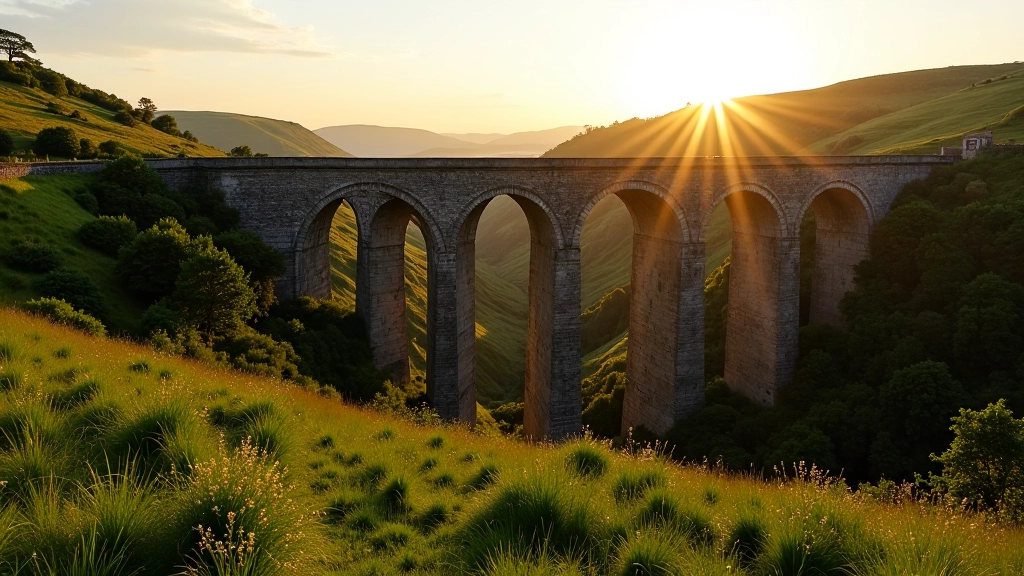
Victorian Engineering at Its Finest
The viaducts you cycle over and under on the Waterford to New Ross greenway aren't just pretty stone structures—they're engineering marvels from the 1800s. Built during the height of railway expansion in Ireland, these arches represent the ambition and technical skill of Victorian engineers. They weren't just building bridges; they were transforming the landscape itself.
The main viaduct spanning the Suir Valley was completed in 1896. That's over 125 years of standing firm against Irish weather, with its distinctive multi-arch design still visible as you pedal across. The stone used came from local quarries, and you can spot subtle variations in color if you look closely—some sections are lighter, others darker, depending on where the materials came from.
"These viaducts represent a pivotal moment when rail infrastructure transformed rural Ireland. The engineering precision required was extraordinary for the time."— Historical Railway Archive, Ireland
How They Built It
Construction took several years and employed hundreds of workers. They didn't have modern machinery—most of the work was done by hand with stone cutters, masons, and laborers working from scaffolding. The arch design itself is clever: it distributes weight downward and outward, meaning the structure actually gets stronger over time as it settles into place.
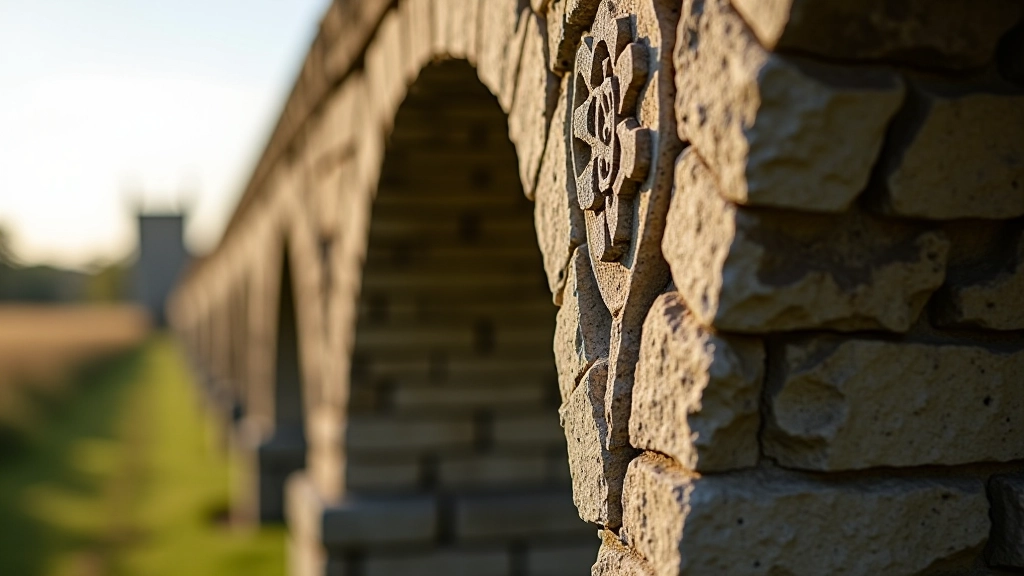
The largest arch spans 65 feet—that's roughly the length of six cars parked end to end. Without computer modeling, engineers relied on mathematical calculations and experience from building similar structures elsewhere in Europe. Most of them had learned their craft on major projects in England and Scotland first. The skill was passed down, and you can see the quality in every stone.
What Made Them Special
Key Features You'll Notice
- Multiple arches: Typically 6-8 depending on the viaduct, allowing for water flow beneath
- Stone construction: Mostly cut sandstone and granite, locally sourced
- Decorative elements: Stone caps and subtle carved details on some sections
- Foundation depth: Piers go down 20-30 feet to solid bedrock for stability
What's impressive isn't just the scale—it's the consistency. These structures had to be precisely built because even small errors would compound over the length of the viaduct. One stone placed slightly wrong could throw off the entire arch system. The craftsmen achieved tolerances that would be considered respectable even by today's standards.
From Rails to Pedals
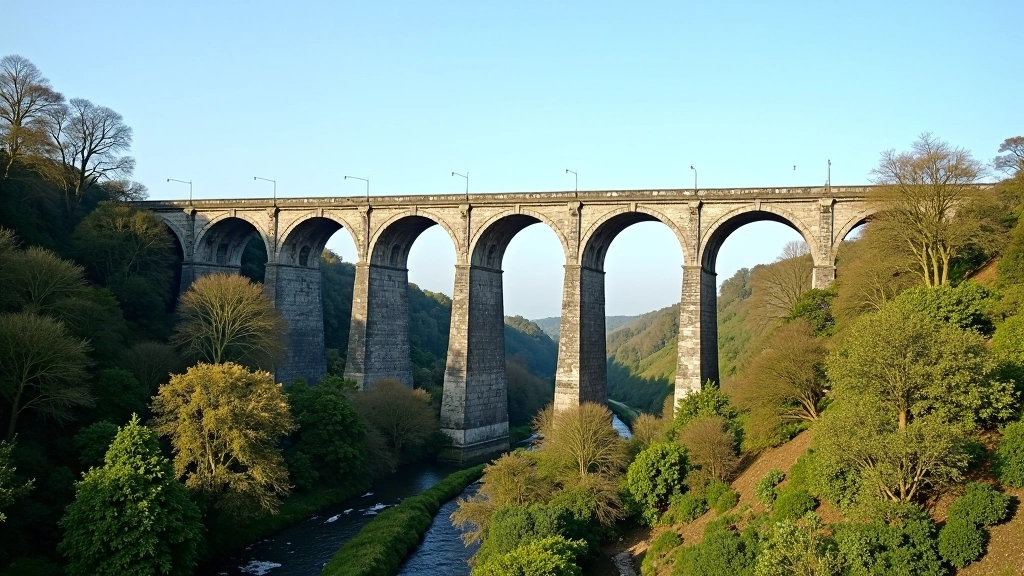
The railway that used these viaducts stopped running commercially in the 1970s. For decades, the structures just stood there—beautiful but mostly forgotten, slowly being reclaimed by ivy and weathering. Then came the greenway project. Rather than demolish these Victorian treasures, the decision was made to preserve them and create a cycling and walking trail that celebrates what they represent.
That's what makes cycling here different. You're not just getting exercise on a nice trail—you're literally traveling through history. Every time you cross one of these viaducts, you're using infrastructure built 130 years ago by people who believed it would last centuries. And it has. It's still strong, still beautiful, and now it's serving a completely different purpose than its builders imagined.
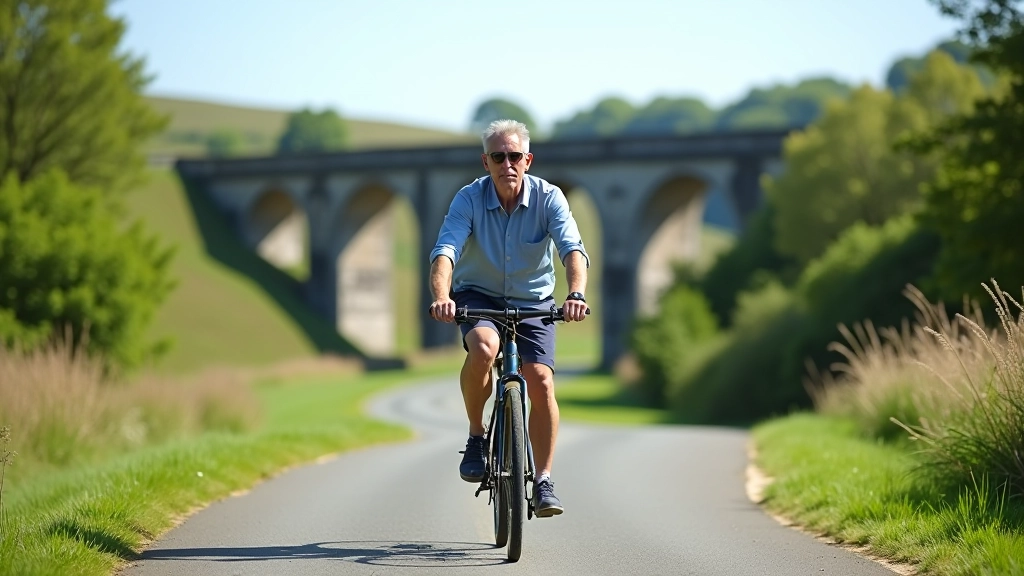
What to Look For on Your Ride
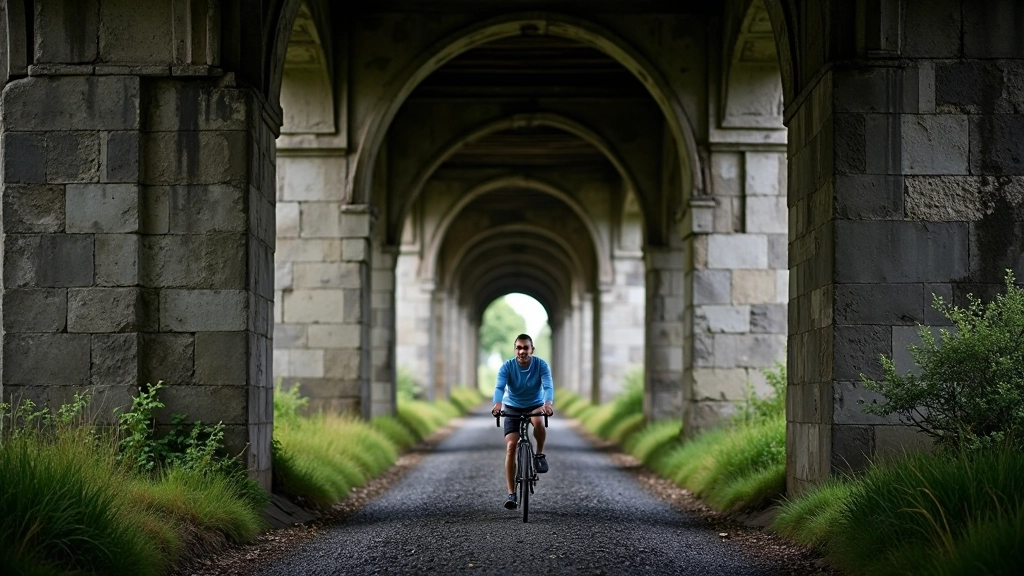
When you're cycling across or under these viaducts, here's what's worth noticing. First, look at the stones themselves—they've weathered differently depending on which direction they face. North-facing stones tend to be darker because they get less sun. You'll see lichen and moss patterns that tell you how wet that side stays.
Second, check out the arches. They're not perfectly circular—they're slightly flattened, which is typical of the style. This design choice was both practical and aesthetic. From underneath, you can see how the stones radiate outward from the center point, each one cut to precise angles so they fit together like a puzzle. It's honest engineering—nothing hidden, nothing unnecessary.
Finally, notice the foundations. During certain water conditions, you can see the water flow around the stone piers. This is the same water that's been flowing there since 1896, shaping the riverbed while the viaduct has remained completely stable. That's the kind of longevity these Victorian builders were designing for.
Preservation for the Future
These viaducts are protected heritage structures. Regular maintenance happens throughout the year—pointing of mortar, stone repair where needed, vegetation management. The greenway team takes this seriously because these aren't just functional structures; they're irreplaceable pieces of Irish industrial heritage.
Cycling the greenway means you're part of a conversation about heritage conservation. By using these trails, you're supporting the case for preserving them. Tourism and recreation provide economic justification for maintenance spending. It's a nice cycle—literally and figuratively—where modern use helps protect Victorian engineering.
The Story Every Stone Tells
Next time you're cycling across these viaducts, you're not just traversing a bridge. You're experiencing a direct connection to people who lived 130 years ago—their skills, their ambition, their belief that what they built would outlast them. And they were right. Every pedal stroke on this greenway is a small tribute to Victorian craftsmanship and engineering vision.
Information Disclaimer
This article provides historical and educational information about the viaducts on the Waterford to New Ross greenway. While we've endeavored to ensure accuracy, historical records vary. For detailed technical specifications or conservation information, please consult official heritage records or contact the greenway management team. The viaducts remain active infrastructure, so always follow local safety guidelines and respect any access restrictions.